The Ultimate Guide to Annual Drain and Sewer Maintenance in Maine
Running a home or business in Maine comes with its own set of plumbing challenges. At Garand Plumbing, we see far too many clients wait until a slow drain becomes a serious problem—by then, you’re risking major water damage, health hazards, and expensive repairs that could have been avoided with routine attention. Drain and sewer problems don’t announce themselves quietly, but careful annual maintenance will keep surprises at bay.
In this guide, we’re laying out what it really takes to keep your plumbing in shape for the long haul. Every tip comes from years of responding to emergency calls and helping Mainers avoid costly, preventable issues. With practical checklists and pro advice, Garand Plumbing gives you the knowledge to maintain your drain and sewer lines, recognize warning signs, and know when it’s time to call for help.
What We Cover:
1. Immediate Aftercare for Drains and Sewers
2. Building Strong Maintenance Habits Year-Round
3. Warning Signs You Need a Pro
4. Maintenance Mistakes to Avoid
5. Frequently Asked Questions
6. Keep Your Drains Running Smoothly
Immediate Aftercare for Drains and Sewers
Once your drains or sewer lines are cleared or repaired, the key is keeping things clean and flowing smoothly from day one. Proper aftercare sets the foundation for trouble-free months ahead.
• Use Only Water-Safe Cleaners: Stick with enzyme-based or plumber-approved cleaners—never pour bleach or harsh chemicals down the drain.
• Flush with Hot Water Weekly: Pour hot (not boiling) water to help dislodge oily residue and keep slow build-up at bay.
• Check Trap Seals: Make sure all sink, tub, and floor drain traps keep water in the U-bend—this prevents gas and odors from coming back up.
→ From a professional standpoint: Immediate aftercare isn’t just about what you flush, but how you proactively notice when things start to run slow again.
Building Strong Maintenance Habits Year-Round
Consistent care throughout the year saves money and reduces emergency calls. Maine’s changing seasons can put extra pressure on drains—especially with the spring thaw and autumn leaf drop.
• Install Drain Screens: Place screens on all sink and tub drains to catch hair, food particles, and debris before they enter pipes.
• Limit What Goes Down: Never dispose of grease, coffee grounds, or fibrous foods in the kitchen sink—these are top clog offenders for our Maine clients.
• Schedule Annual Inspections: Book a yearly camera inspection, especially before or after the winter freeze, to catch small root intrusions or shifts from frost.
• Clean Downspouts and Outdoor Drains: Keeping outside drains clear prevents flooding and backup during heavy rain.
→ A quick tip to remember: Cleaning is most needed right after the thaw and before leaves start falling.
Warning Signs You Need a Pro
Even with the best habits, there are moments when professional help makes all the difference. Knowing the early warnings lets you act fast and prevent big-ticket repairs later.
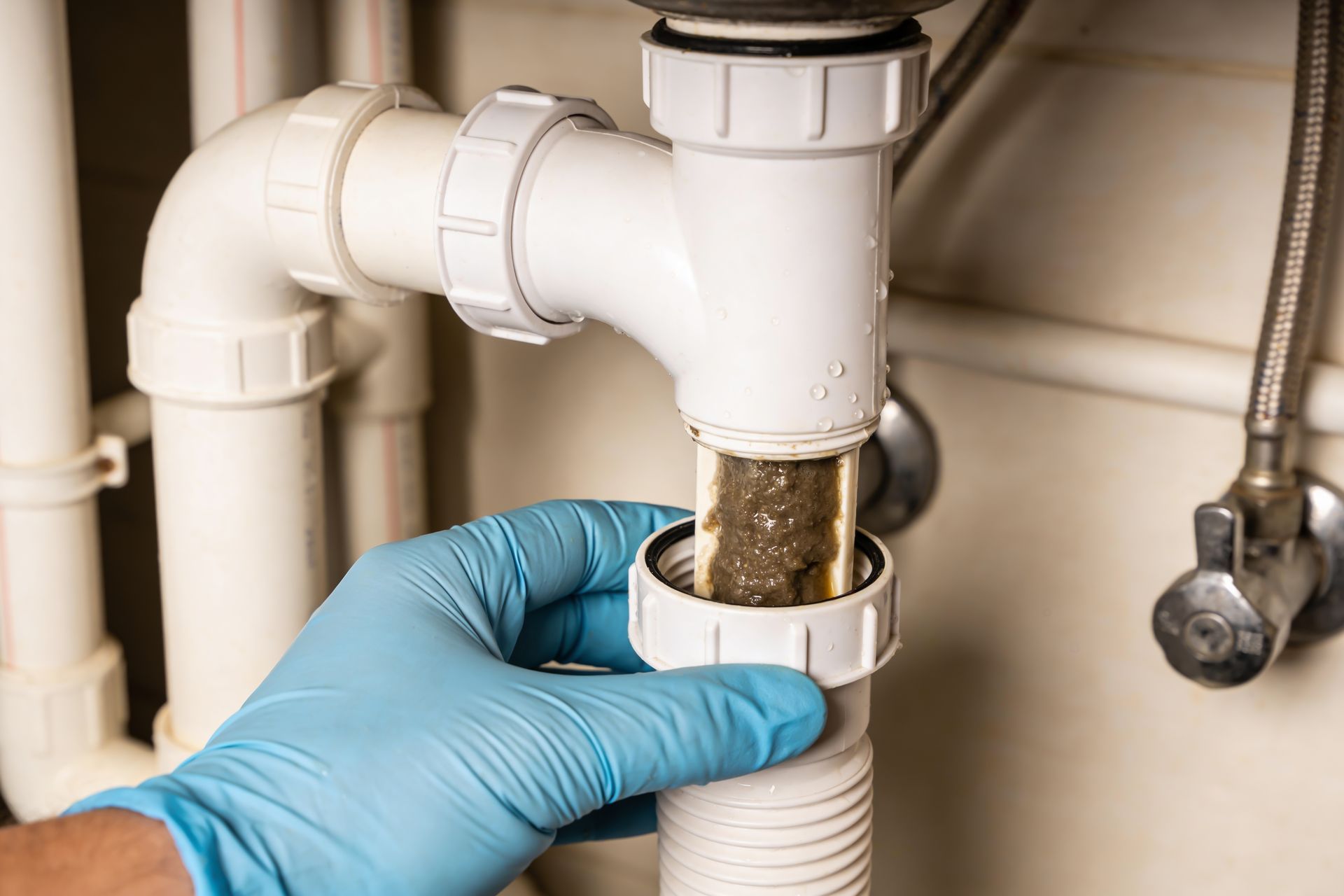
• Persistent Slow Drains: One slow fixture might be local, but if several clog up, the problem is deeper in the system.
• Gurgling or Bubbling: Air in your pipes signals a sneaky blockage or venting problem.
• Bad Odors: Persistent smells mean waste is sitting in your pipes, not flushing out properly.
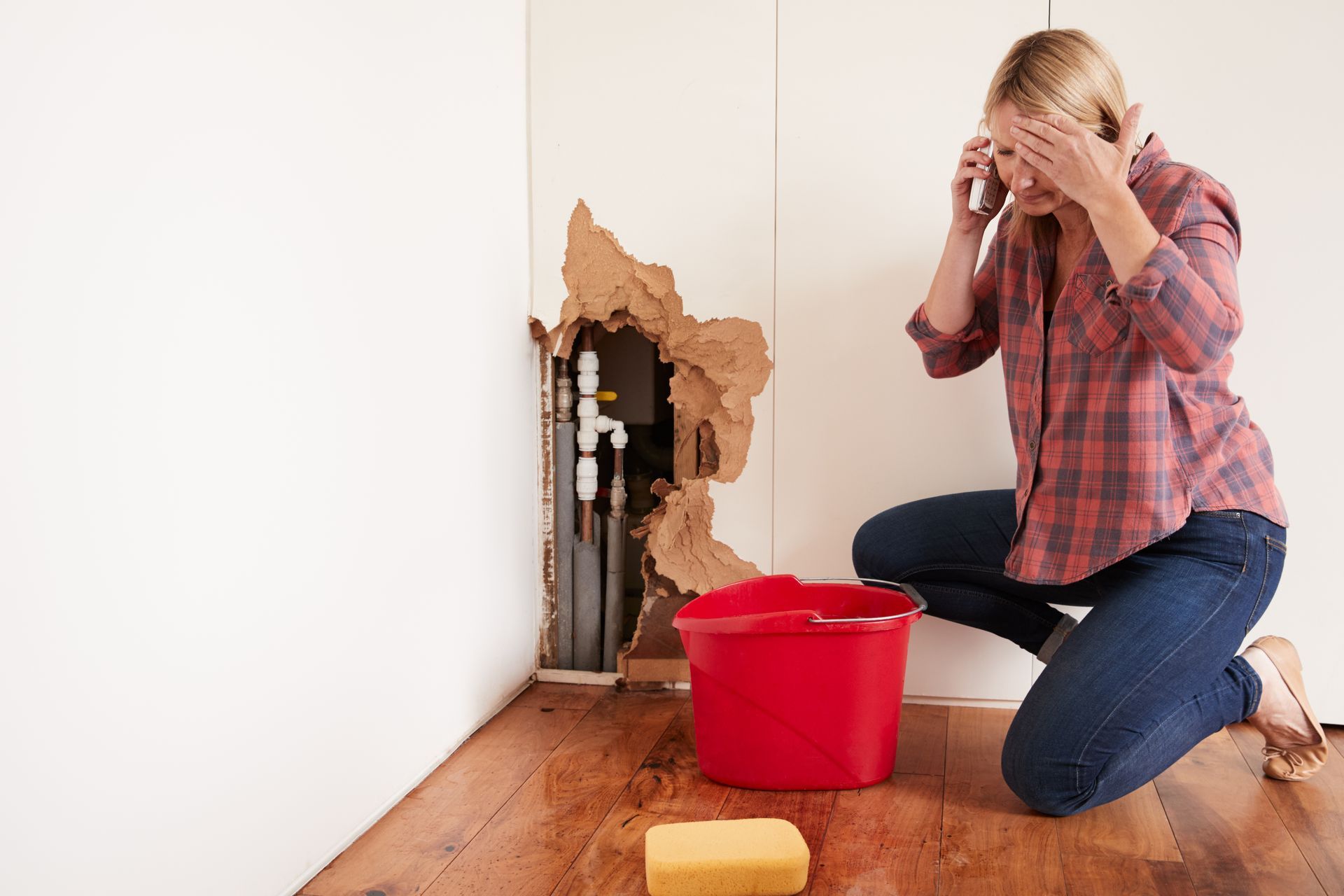
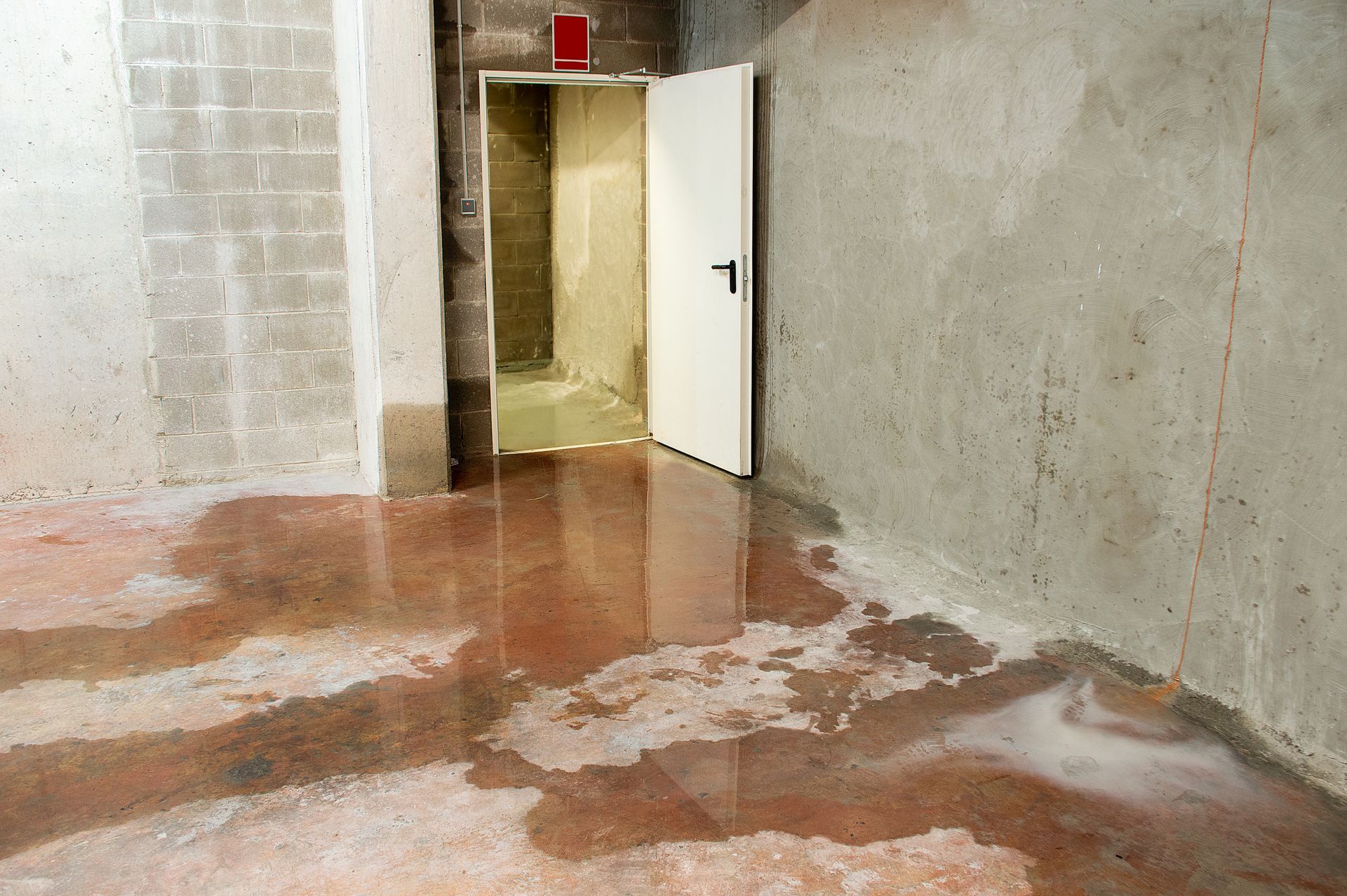
• Water or Waste Backup: If any water comes back up through a tub or basement drain, call immediately—this can mean a mainline issue.
→ From a professional standpoint: Mainline issues are common in Maine’s older neighborhoods where tree roots find their way into pipes. Don’t ignore repeated warnings.
Maintenance Mistakes to Avoid
Some of the most preventable call-outs stem from simple mistakes that undo months of good maintenance. Here’s how to get it right:
• Overusing Chemical Cleaners: These can eat away at pipe interiors—especially on older cast iron or clay pipes found throughout Maine.
• Forgetting to Flush Outdoor Drains: Many backups start outside, especially after storms or heavy leaf fall.
• Putting Off Minor Issues: Small leaks, slow drains, or bubbling noises rarely fix themselves; delay almost always means more cost.
• Skipping Annual Checkups: Going more than 12 months without a camera inspection in Maine can mean missing root growth, settling, or cracks forming during freeze-thaw cycles.
► The single most important maintenance fact: Annual camera inspections catch problems before they become emergencies, especially in Maine’s ever-shifting soil.
Frequently Asked Questions
How often should I schedule professional drain maintenance if I live in Maine?
For properties in Maine, a once-a-year drain and sewer inspection is usually the minimum, thanks to the region’s heavy tree root activity and seasonal stress from freeze-thaw. High-usage properties or older homes should consider a quick check every six months to stay ahead.
When is DIY drain cleaning a bad idea?
DIY fixes like plungers or simple drain snakes are fine for minor, isolated clogs, but if you’re clearing the same drain repeatedly or if water backs up into multiple fixtures, you should stop and call Garand Plumbing promptly. Chemicals or aggressive snaking can worsen damage in older Maine pipes.
Are there local materials or tree species in Maine that threaten my drains more than others?
Yes, Maine is known for dense tree growth, and many older neighborhoods have heritage maples and oaks whose roots search out joints in clay or cast iron drains. These root intrusions are a chronic problem—one best detected with a camera inspection and managed with proper root control techniques.
Keep Your Drains Running Smoothly
Staying proactive with your drain and sewer maintenance doesn’t just prevent emergencies—it preserves your property and peace of mind. Garand Plumbing is always ready to help Maine residents with annual maintenance, advice, and professional intervention before headaches start. Book your yearly inspection or reach out if you notice any warning signs in your home or business.
Share This Blog