5 Causes of Clogged Drains in Augusta Households (and What to Do)
No one expects their kitchen or bathroom sink to stop draining—until it does. At Garand Plumbing, we see clogged drain repair calls spike after big cooking weekends, storms, or when seasonal changes hit in Maine. It's not random; there are patterns in what causes blockages here in Augusta homes, and knowing these can help you stay ahead.
Most clogs don’t come from a single piece of debris. Instead, they build up over time due to a combination of regional quirks—like hard water, tree roots, and even what folks here typically put down their drains. Our tips can help you prevent problems and spot warning signs before you need to place an emergency call.
In This Article:
1. Tip #1: Grease is Augusta’s Worst Enemy
2. Tip #2: Hair and Soap Scum Build Up
3. Tip #3: Roots Target Old Drain Lines
4. Tip #4: Hard Water Means More Scale
5. Tip #5: “Flushable” Wipes Aren’t Really Flushable
6. Frequently Asked Questions
Tip #1: Grease is Augusta’s Worst Enemy
Kitchens in and around Augusta see repeated blockages from cooking grease, especially during local holiday seasons. Even if you pour hot grease down the drain with lots of hot water, it cools quickly, coating pipes and trapping other debris.
• Grease builds up: Coats pipe interiors, making clogs more likely
• Hot water is not enough: Grease still hardens farther down the line
• Repeated blockages: Often affect multiple homes on the same street
Tip #2: Hair and Soap Scum Build Up
In Maine, the mineral content in water works with soap to form a sticky residue—especially in slow-flowing pipes. Combine this with hair from bathrooms and laundry rooms, and you’ve got a perfect storm for frequent clogging.
• Slow drains: Signal growing buildup in pipes
• Hair traps: Can help, but need regular cleaning
• Common at bends: Most clogs form where pipes change direction
Tip #3: Roots Target Old Drain Lines
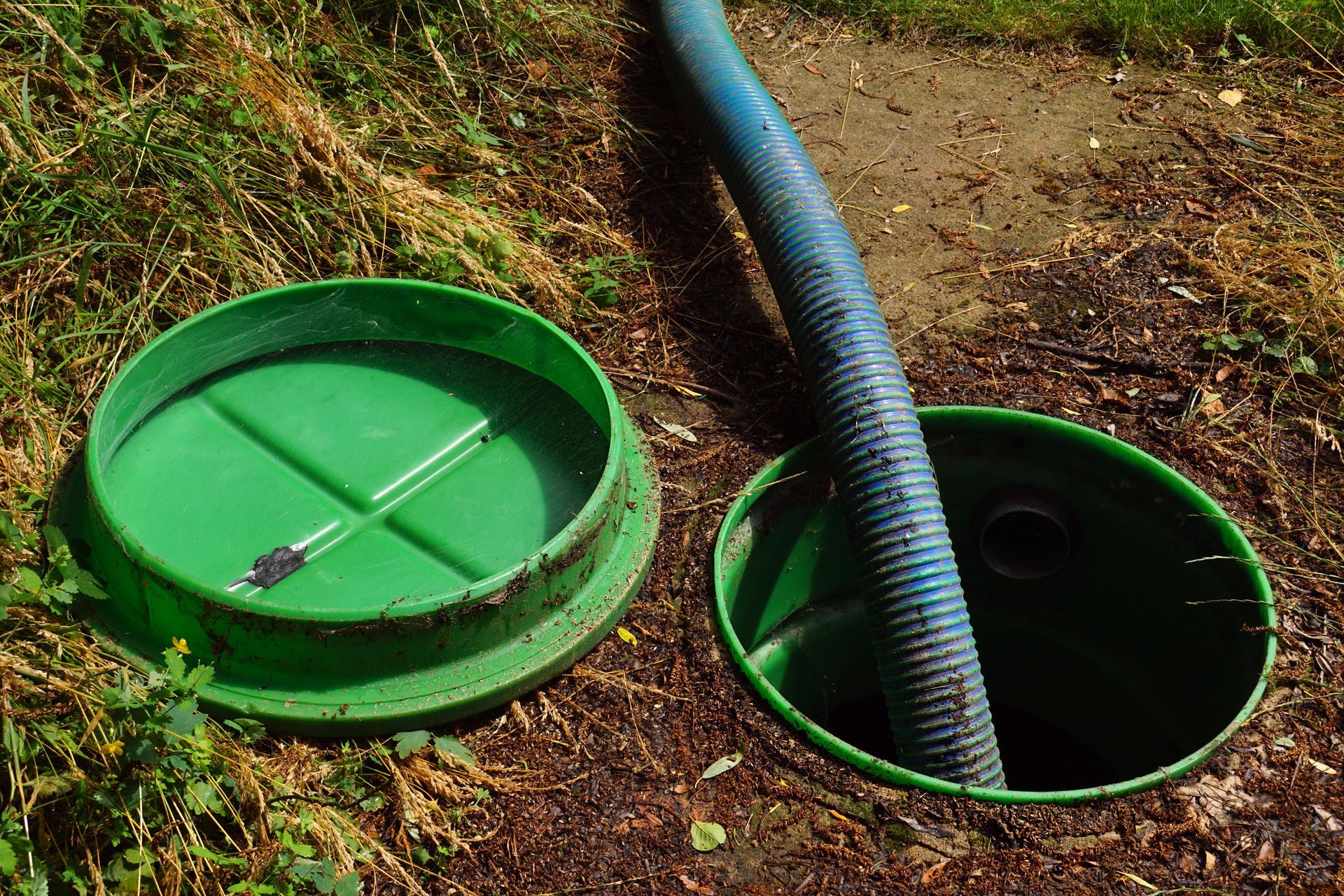
Older homes in Augusta, Waterville, and surrounding towns often have clay or cast-iron sewer lines. Over time, tree and shrub roots sniff out minor leaks or loose pipe joints, working their way in and expanding small cracks. Once roots get inside, they catch everything.
• Older homes: At higher risk for root intrusion
• Signs include: Gurgling toilets, slow drains, and frequent backups
• Specialized removal: Needed for stubborn blockages
Tip #4: Hard Water Means More Scale
Calcium and minerals in Maine’s water will slowly line your pipes with scale, narrowing the diameter and causing more blockages as debris sticks to these rough surfaces. This is especially common in supply lines to appliances or bathrooms.
• Common with older plumbing: Copper and steel pipes show more buildup
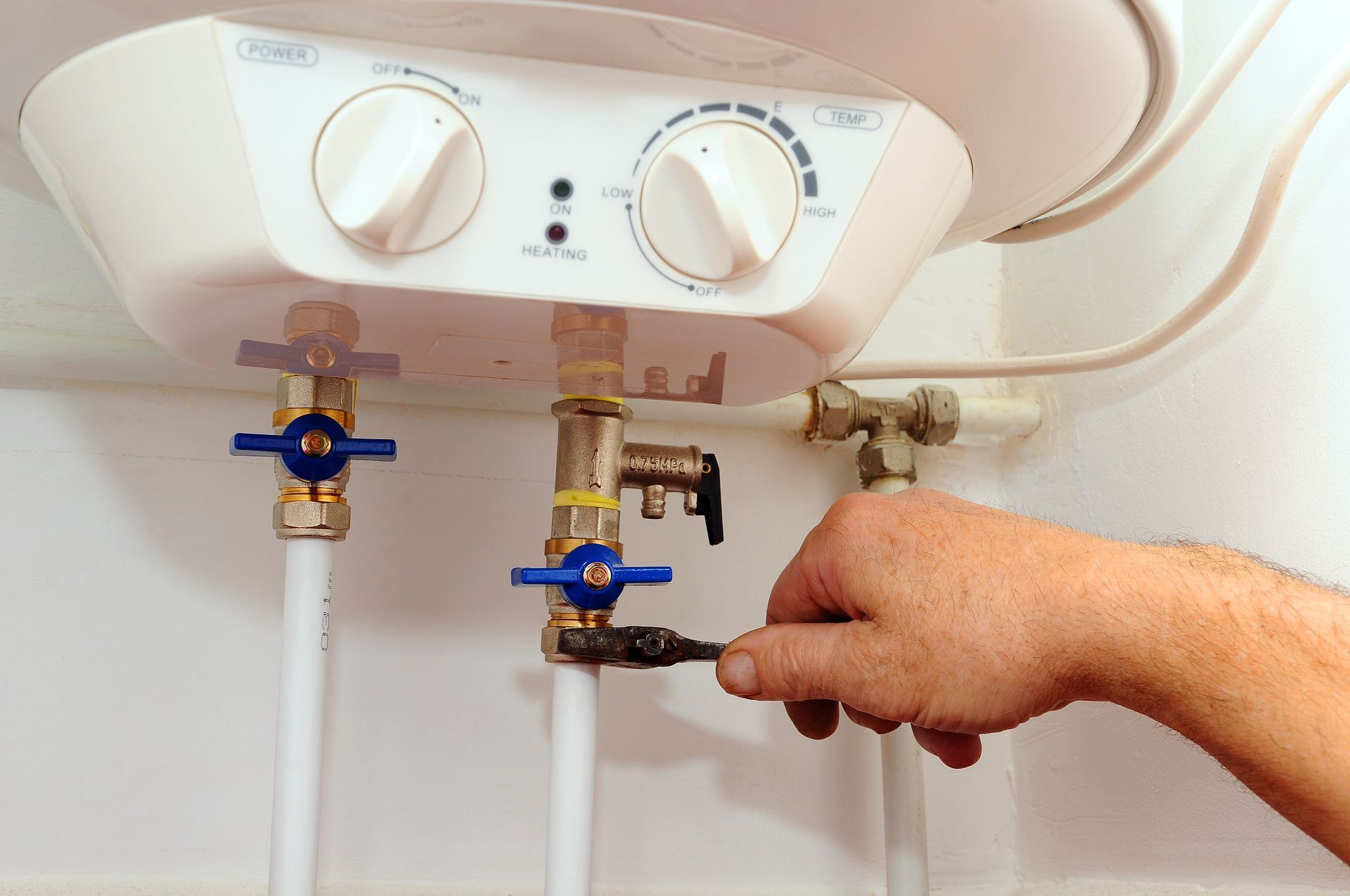
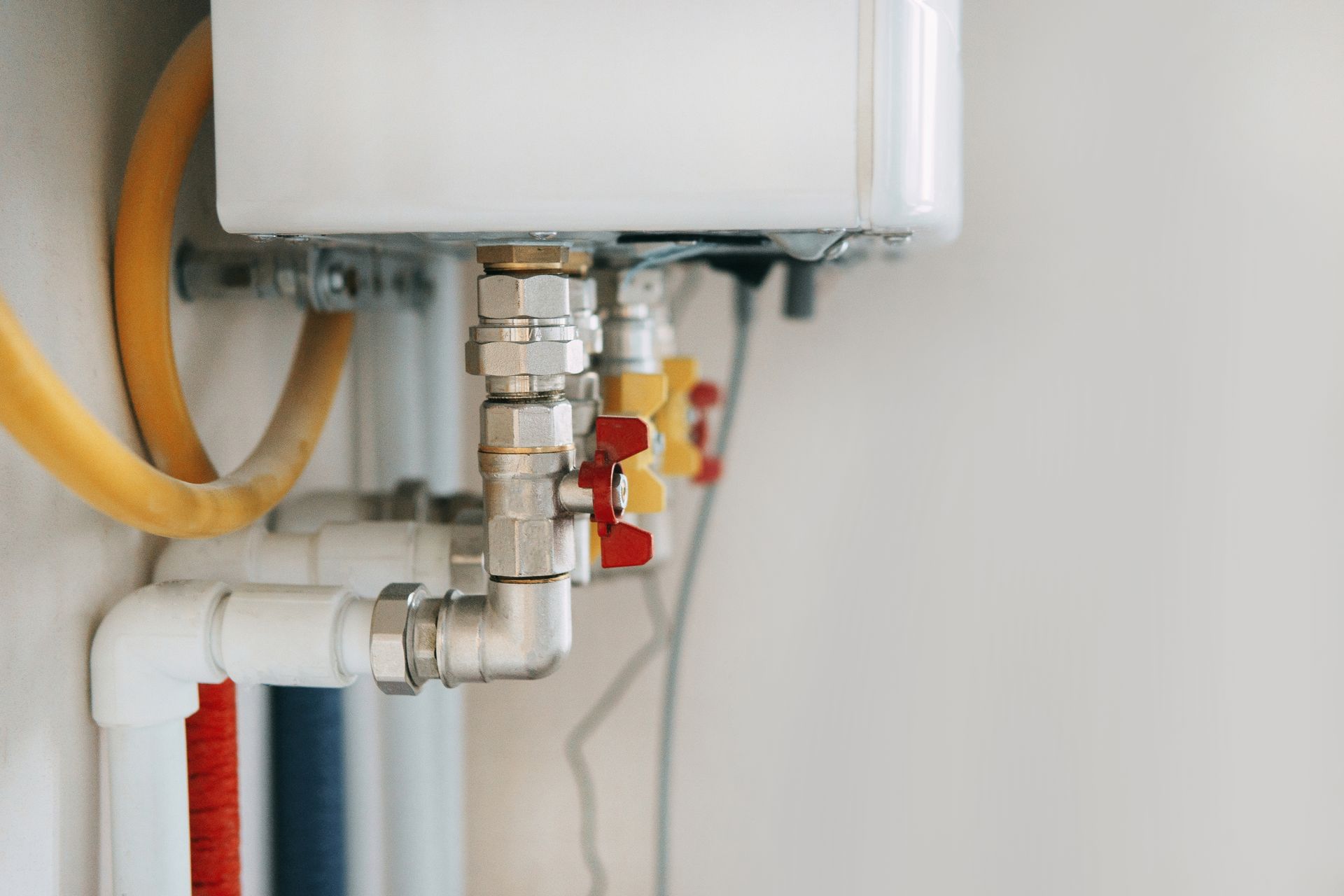
• Water heaters: Affected too—flush annually to prevent problems
• Sudden drop in water pressure: Often signals severe scale buildup
Tip #5: “Flushable” Wipes Aren’t Really Flushable
Despite their labels, “flushable” wipes do not break down in water like toilet paper. Augusta’s plumbing systems, especially in older homes, can’t handle them. The wipes twist and tangle, collecting fats, oils, and hair to form stubborn clogs.
• Major cause of blockages: Along with feminine products and paper towels
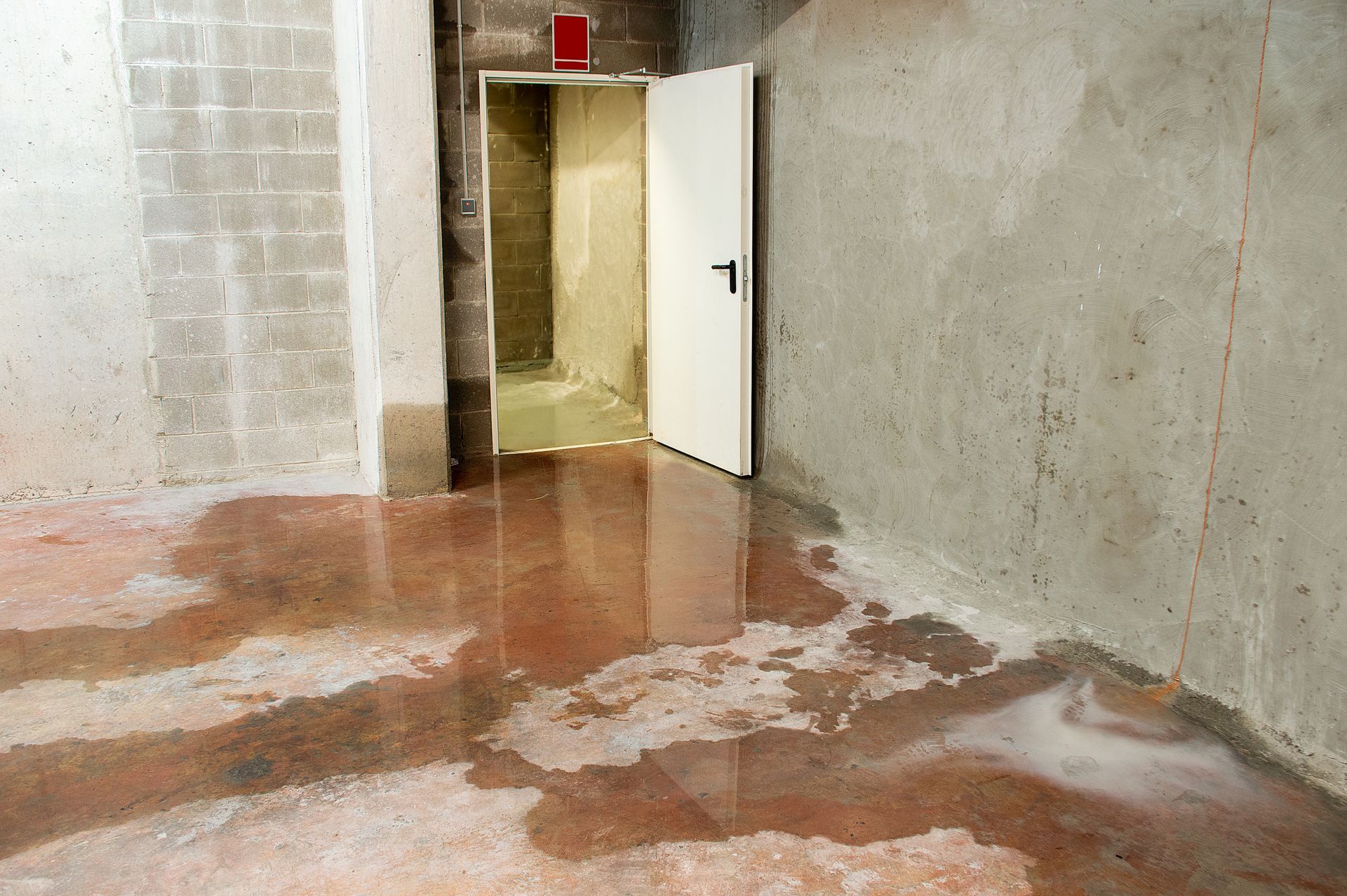
• Sewer backups: More frequent after major rainstorms
• Removal often means: Camera inspection and snaking or hydro-jetting
Frequently Asked Questions
What clogs drains in Maine homes most often?
The biggest culprits are grease, hair, root intrusion, and scale from hard water. In Augusta, a lot of plugs happen at sink traps and sewer line bends, especially in homes with older piping.
How can I prevent recurring blockages?
Regular drain cleaning, not just chemical pour-ins, is key—especially after large family gatherings or heavy rains. Install hair catchers in bathroom drains, never put grease down the kitchen sink, and keep an eye out for slow-flowing fixtures.
When should I call a plumber for a stubborn clog?
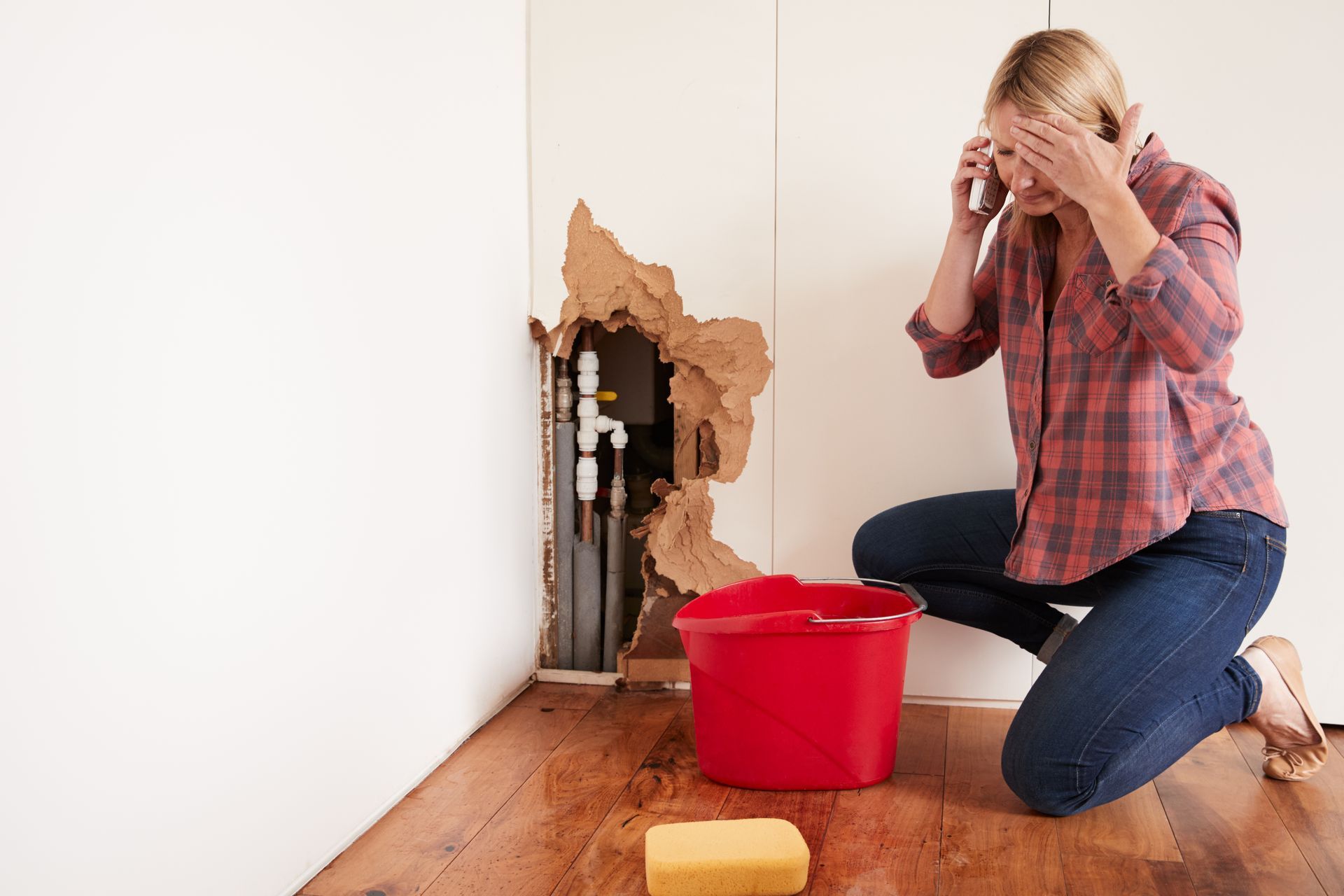
If water is backing up, you have several slow drains at once, or you notice gurgling in toilets or showers, it’s likely a main line issue—not something you’ll fix with store-bought chemicals. Professional tools like cameras and hydro-jetting work where DIY fails.
Stop Clogs Before They Start: Know When to Act
Clogged drains in Augusta often start small and get worse fast. When you know what causes the problem—and the warning signs to watch for—it’s easier to prevent disaster. For tailored advice and real fix-its, Garand Plumbing is right here for Maine homeowners ready to tackle those stubborn blocks the right way.
Share This Blog