Can Chemical Drain Cleaners Wreck Your Pipes? Truth for Augusta Homeowners
Garand Plumbing gets called in regularly by Augusta, Maine, homeowners who’ve used a bottle of drain cleaner only to find the clog returns—or the problem gets even worse. It’s tempting to trust quick chemical fixes, but what’s really happening inside your pipes when you pour that liquid down the drain?
This article delivers the straight answer about what chemical drain cleaners do to Maine homes’ plumbing, especially older systems or those already showing some wear. Before you reach for another bottle, here’s what you need to know from professionals who’ve seen it all.
In This Article:
1. How Chemical Drain Cleaners Work (and Don’t)
2. The Real Risks: Pipe Damage in Maine Properties
3. How Old Pipes React to Store-Bought Solutions
4. Frequently Asked Questions
How Chemical Drain Cleaners Work (and Don’t)
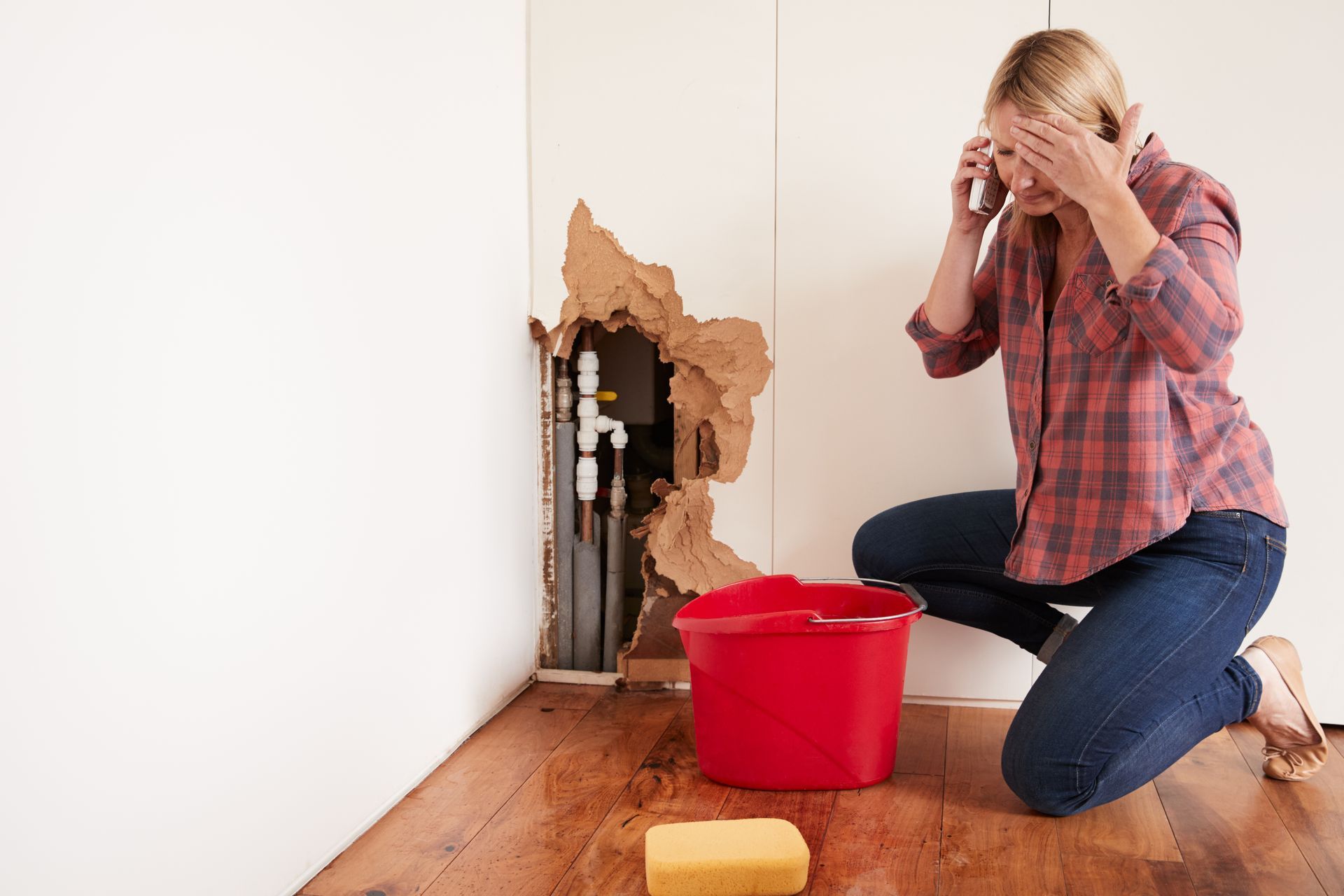
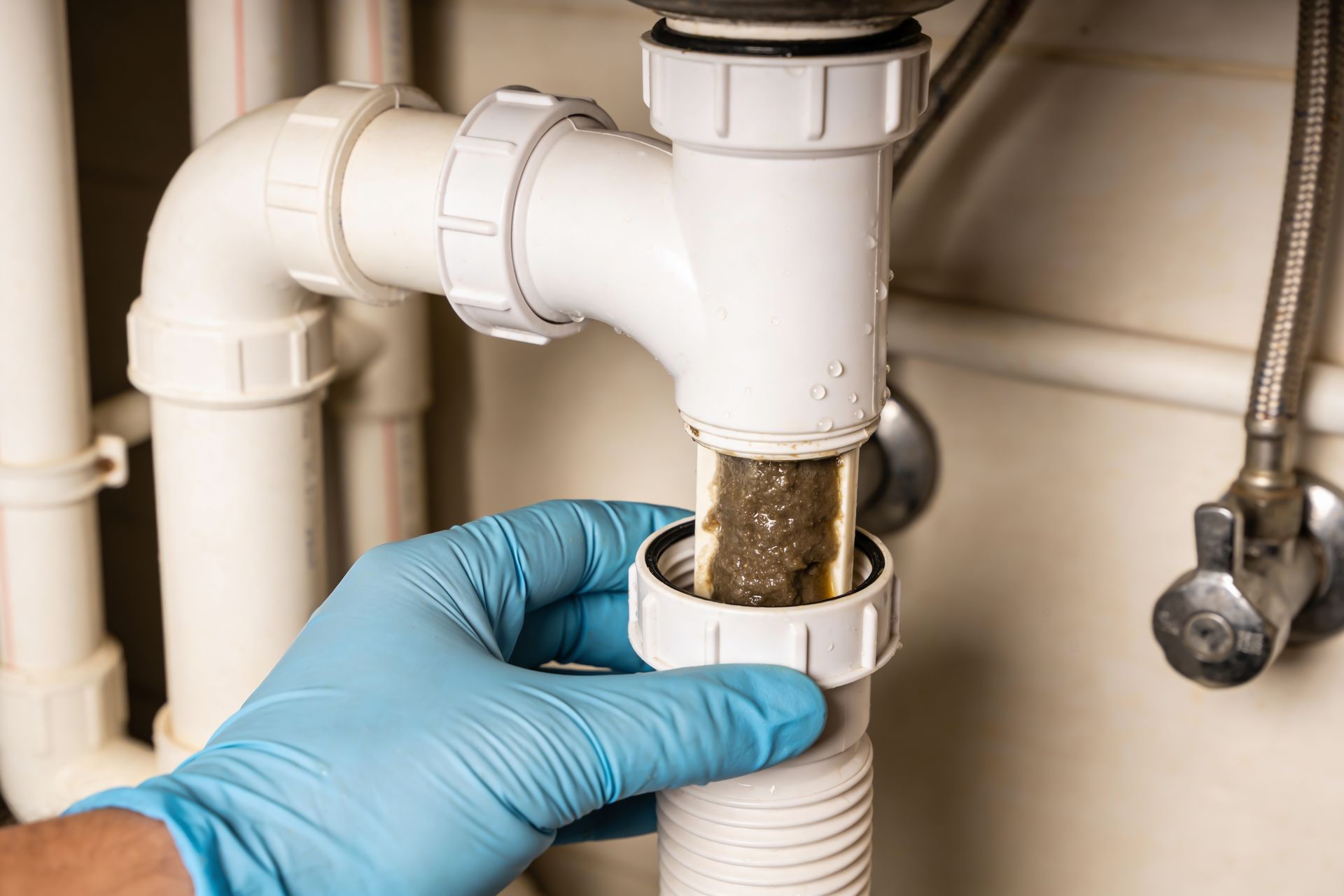
Chemical drain cleaners use powerful acids or caustic substances to break up common clogs like hair, grease, or soap. While they sometimes dissolve soft blockages in the short term, they rarely remove deeper hazards like tree roots or mineral buildup. Worse, chemicals might escape through existing cracks, causing leaks inside walls or under floors.
→ From a professional standpoint: Chemical drainers are blunt tools—not fix-all solutions. They do little for anything beyond very minor, shallow clogs.
The Real Risks: Pipe Damage in Maine Properties
Many local homes have galvanized, copper, or even fragile cast-iron plumbing. Chemical cleaners, especially the strong varieties sold in stores, can corrode pipe interiors or eat away old joints. We’ve repaired Augusta-area pipes that failed not from normal use but from repeated chemical exposure that made small leaks much larger.
Repeated use can also soften PVC joints and warp flexible pipes often found under sinks or in additions. If you notice persistent clogs, slow drains, or smells of chemicals after pouring cleaner down, it’s a sign that damage might be occurring out of sight, risking water damage later.
→ A quick tip to remember: Wait times claimed on bottle labels rarely match what we see on service calls—clogs often return within weeks if underlying issues aren’t addressed.
How Old Pipes React to Store-Bought Solutions
In Maine, older pipes can be especially vulnerable. Homes built before the 1970s may have unusual materials or “patch jobs” in their water and waste lines. Acidic formulas corrode metal pipes and degrade rubber seals, while heat from caustic mixes can stress out already brittle drain linings.
Professionals at Garand Plumbing often use tools like drain cameras or hydro-jetting machines, which clear blockages without harming pipe interiors or the local environment. These techniques remove the true source of the problem—such as roots, grease, or mineral buildup—while keeping existing pipes safe.
→ From a professional standpoint: For old or unknown pipes, skip the chemicals. Request a diagnostic check to find the real problem, not just mask the symptoms.
Frequently Asked Questions
What damage can liquid drain cleaners cause?
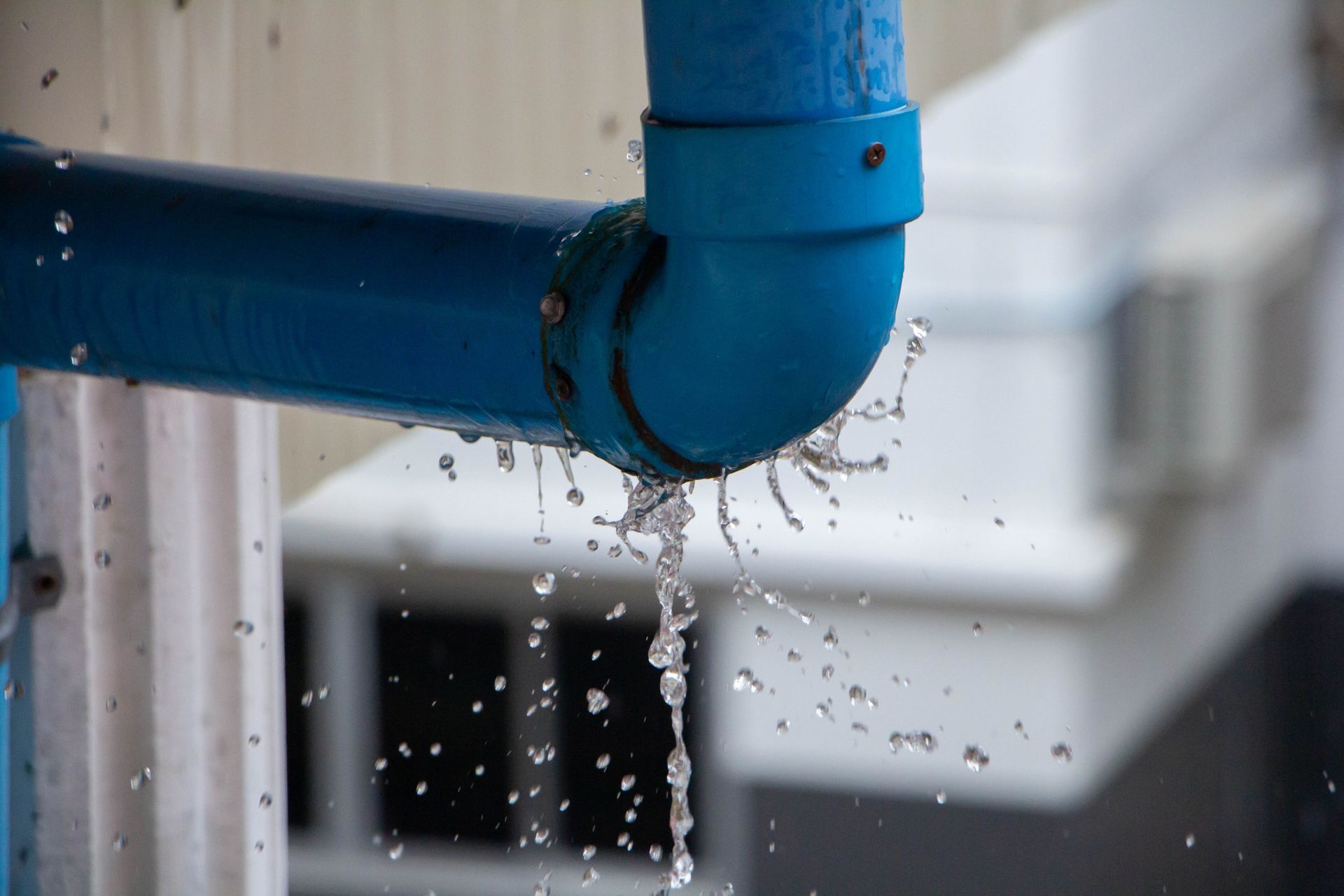
Liquid drain cleaners can corrode metal pipes, soften PVC or vinyl joints, and break down any old seals in your system. Over time, repeated use leads to pinhole leaks or cracks, especially in pipes that are already aging or have seen previous repairs. That’s why slow leaks or recurring clogs are often traced back to chemical use.
Are they safe for old pipes?
No, not typically. Older piping found in many Maine homes is sensitive to the acids and caustics found in most store-bought drain cleaners. Even one use can speed up corrosion, cause sealant to fail, or weaken pipe walls so they’re more likely to develop leaks later.
What are safer alternatives?
Professional plumbers rely on proven methods like drain snaking, hydro-jetting, or video inspections. These approaches clear blockages completely without harming pipes and let you spot potential problem areas before they get worse. Simple preventive steps, such as using mesh drain screens or regular professional cleanouts, are also effective.
Keep Your Pipes Safe—Skip the Chemical Shortcuts
Being realistic about what chemical drain cleaners really deliver can save you from future headaches and expensive repairs. If you’re in Augusta or anywhere in Maine and unsure about using store-bought solutions, give Garand Plumbing a call. You don’t have to risk your pipes—professional help is always smarter in the long run.
Share This Blog